
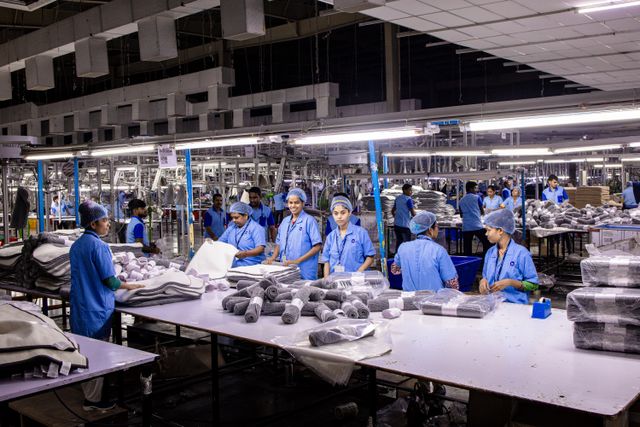
When manufacturers think about the cost of running a factory, labour is often the first expense that comes to mind. Salaries, overtime, and hiring costs are easy to measure, making them the most visible part of the equation.
But the reality is that labour is only one piece of the puzzle.
Many factories lose thousands of ringgit every month to hidden operational costs that are often overlooked because they happen gradually or are spread across different departments. While each issue may seem small on its own, together they can have a significant impact on profitability.
Let’s take a closer look at some of these hidden costs, and how automation can help reduce them.
1. Rework: Doing the same job twice
Every time a product has to be repaired, adjusted, or remanufactured, you’re paying for the same work twice.
Rework doesn’t just consume additional materials, it also ties up labour, machines, and production time that could have been spent fulfilling new orders. Common causes of rework include:
- Manual assembly errors
- Inconsistent processes
- Missed quality defects
- Incorrect measurements
Automation improves process consistency by reducing variations in repetitive tasks. Machine vision systems can also detect defects earlier in the production process, allowing issues to be corrected before they move further down the line.
2. Scrap: Throwing away more than just materials
Scrapped products represent more than wasted raw materials. They also include:
- Lost production time
- Energy consumed during manufacturing
- Labour costs
- Disposal expenses
Over time, even a small increase in scrap rates can significantly affect your bottom line. Automated inspection and precision-controlled equipment can help reduce manufacturing errors, helping manufacturers improve first-pass yield and minimise material waste.
3. Overtime: A symptom, not a solution
When demand increases, many factories respond by asking employees to work longer hours. While overtime may solve short-term capacity issues, it often leads to:
- Higher labour costs
- Employee fatigue
- Increased error rates
- Lower morale
If overtime has become part of your normal operating routine, it may indicate underlying inefficiencies rather than a lack of manpower. By automating repetitive and time-consuming processes, manufacturers can increase output within regular working hours, reducing the need for frequent overtime.
4. Downtime: The most expensive hour you’ll never see
A machine that isn’t running isn’t generating revenue. Unexpected downtime can result in:
- Missed production targets
- Delayed deliveries
- Idle workers
- Rush maintenance costs
- Customer dissatisfaction
Predictive maintenance solutions use sensors to monitor machine health in real time. By tracking factors such as vibration, temperature, and power consumption, maintenance teams can identify potential issues before they lead to costly equipment failures.
5. Human error
Even the most experienced employees can make mistakes, especially when performing repetitive tasks for extended periods. Human error can lead to:
- Incorrect assembly
- Missing components
- Mislabelled products
- Data entry mistakes
- Inventory discrepancies
These seemingly minor errors can create costly downstream problems. Automation can help standardise repetitive processes, reducing variability and improving consistency while allowing employees to focus on tasks that require judgement and expertise.
6. Customer complaints can cost more than you think
A single defective product can have consequences far beyond the cost of replacing it. Customer complaints may result in:
- Product returns
- Warranty claims
- Lost business
- Damage to your reputation
- Additional customer service costs
Maintaining consistent quality is essential for retaining customer trust. Automated quality inspection systems can detect defects before products leave the factory, reducing the likelihood of quality issues reaching customers.
The bigger picture
Individually, these hidden costs may seem manageable. But when combined, they can quietly erode profitability month after month.
The encouraging news is that many of these challenges can be addressed through targeted automation. You don’t need to transform your entire factory overnight.
Starting with a single production bottleneck, introducing machine monitoring, or automating quality inspection can deliver measurable improvements while laying the groundwork for broader digital transformation.
Looking to upgrade?
Whether you’re taking your first step toward automation or scaling existing smart factory initiatives, Mirai helps you define a practical, results-driven strategy.
Connect with us today to discover where hidden costs may be affecting your operations, and how automation can help you unlock greater productivity, efficiency, and long-term growth.